
Remote Interpreting Services: Bridging the Communication Gap


Understanding Remote Interpreting Services
In today's globalized world, effective communication across languages is more crucial than ever. Remote interpreting services have emerged as a vital tool, bridging communication gaps and facilitating seamless interactions. By leveraging technology, these services enable real-time language translation, ensuring that businesses, healthcare providers, and legal entities can communicate effectively with diverse audiences.
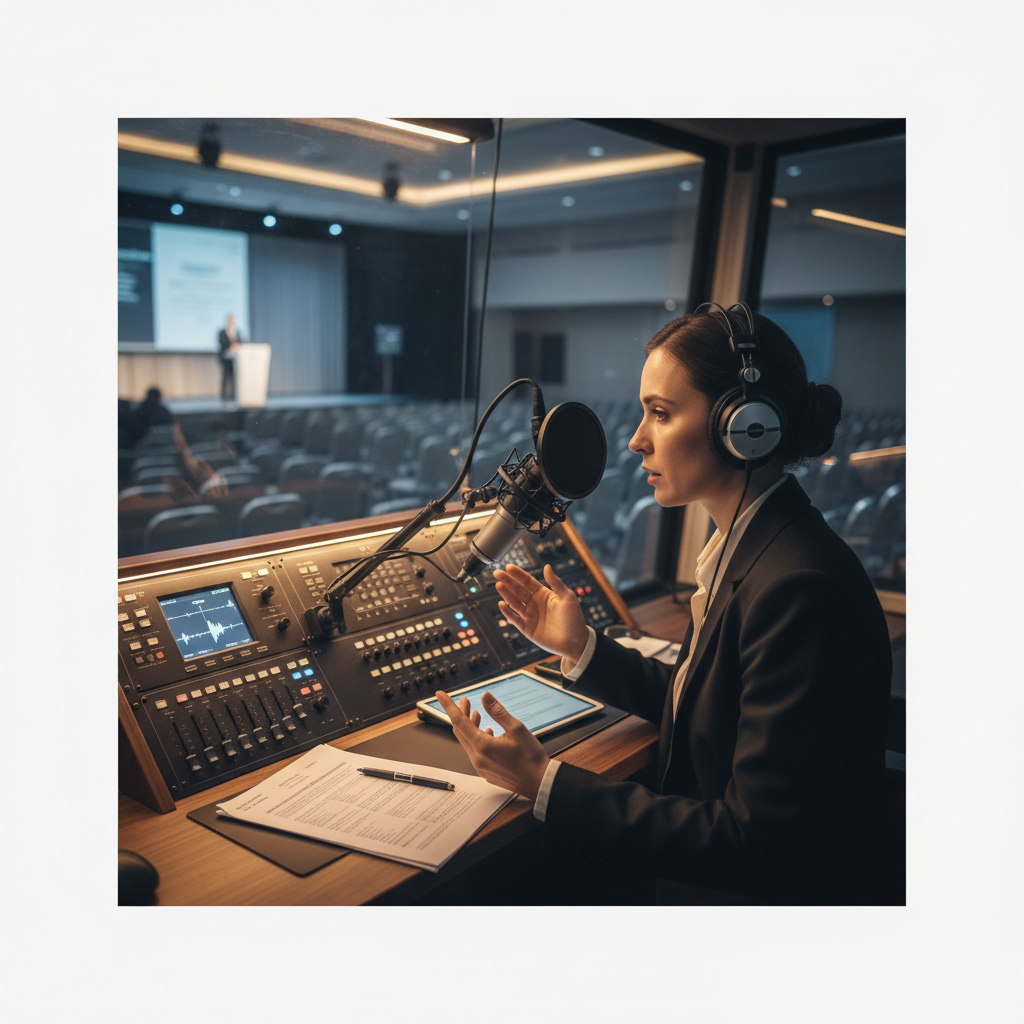
Types of Remote Interpreting Services
Remote interpreting services are diverse, catering to various needs and settings. The most common types include:
- Video Remote Interpreting (VRI): This service uses video conferencing tools to provide interpretation, making it ideal for visually interactive sessions.
- Telephone Interpreting: A cost-effective and quick solution, allowing for immediate assistance through phone calls.
- On-Demand Interpreting: Offers the flexibility of accessing interpreters at any time, catering to urgent needs.
Each type serves different purposes, allowing organizations to choose the most suitable option for their specific requirements.
Benefits of Remote Interpreting
The advantages of remote interpreting are numerous. Firstly, it eliminates geographical barriers, providing access to skilled interpreters worldwide. This level of accessibility ensures that language support is always within reach, regardless of location.
Secondly, remote interpreting is highly cost-effective. By reducing the need for on-site interpreters, organizations can save on travel and accommodation expenses. Additionally, the flexibility of remote services allows for scalable solutions that can be tailored to fit any budget.
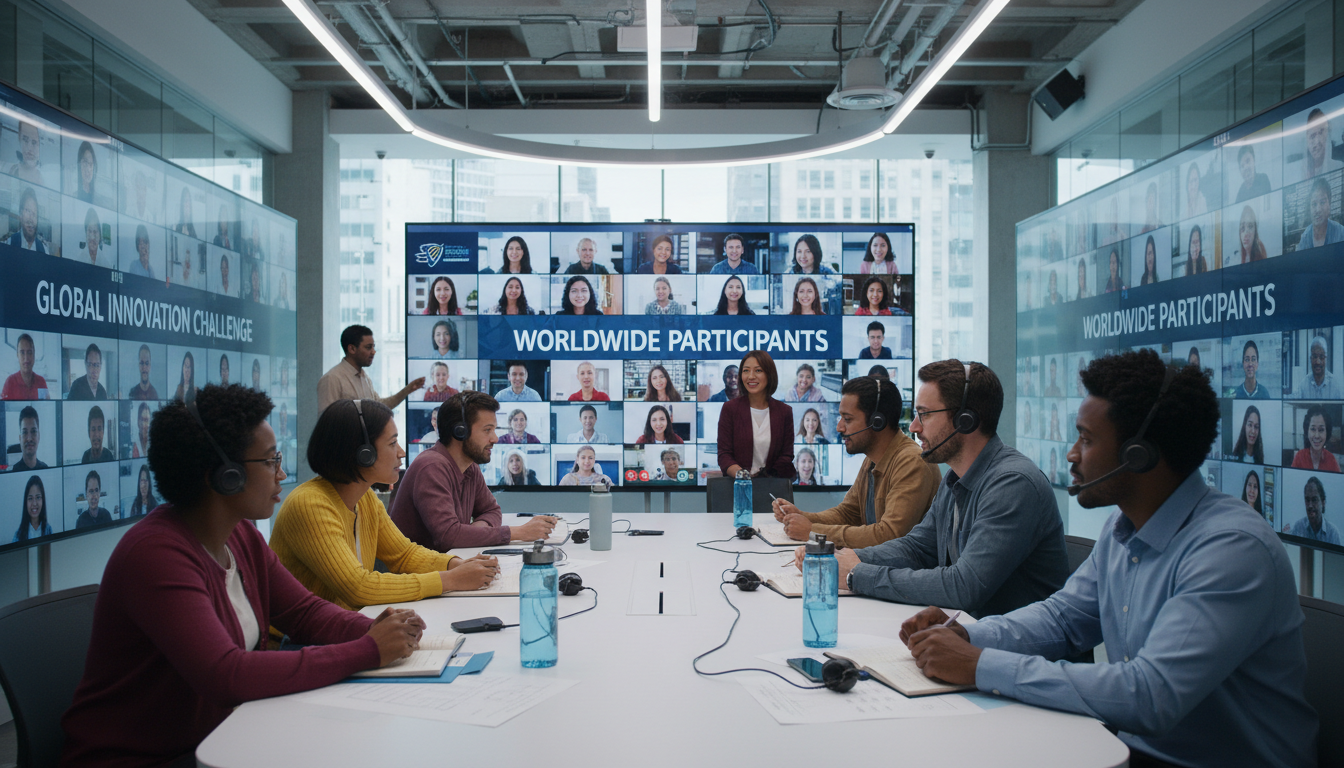
Applications Across Various Industries
Remote interpreting services are utilized across numerous industries. In healthcare, they enable healthcare providers to communicate with patients who speak different languages, ensuring accurate diagnosis and treatment. In legal settings, interpreters help bridge language gaps in courtrooms, safeguarding the rights of non-English speakers.
Moreover, businesses use these services to enhance customer support and foster international partnerships. By breaking language barriers, companies can expand their reach and enhance customer satisfaction.
Choosing the Right Service Provider
Selecting a reliable remote interpreting service provider is crucial. Consider factors such as the range of languages offered, the availability of interpreters, and the quality of technology used. It's essential to partner with a provider that prioritizes accuracy and confidentiality in all interactions.
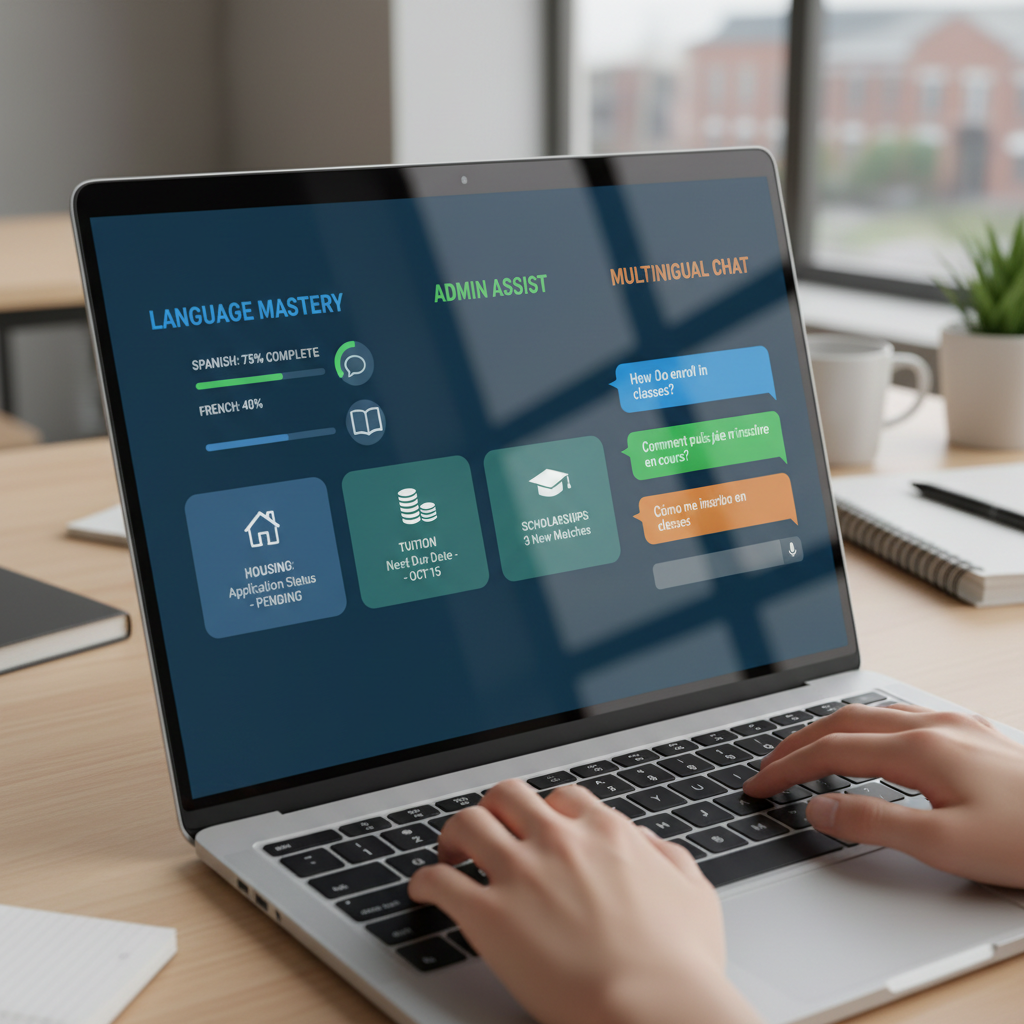
Additionally, look for a provider with a proven track record and positive customer feedback. This will ensure that your organization receives high-quality interpretation services consistently.
The Future of Remote Interpreting
As technology continues to evolve, the future of remote interpreting looks promising. Innovations such as artificial intelligence and machine learning are enhancing the accuracy and efficiency of these services. The integration of these technologies is expected to further streamline communication, making it even more accessible and effective.
In conclusion, remote interpreting services are an indispensable resource in today's interconnected world. By bridging language barriers, they empower organizations to communicate effectively, fostering inclusivity and understanding across cultures.