
The Complete Guide to Hiring a Conference ASL Interpreter in Ohio


Understanding the Role of an ASL Interpreter
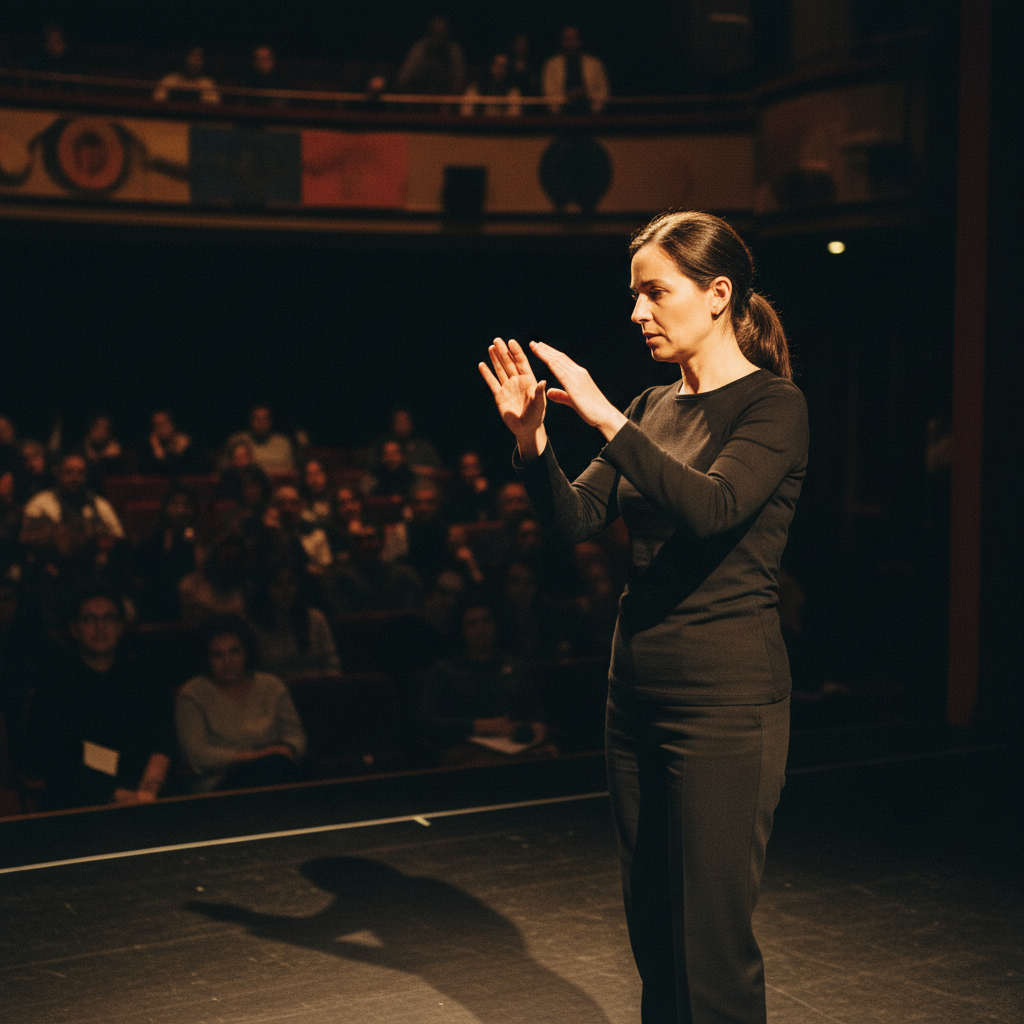
Hiring an American Sign Language (ASL) interpreter for conferences in Ohio is crucial for ensuring accessibility and inclusivity. An ASL interpreter translates spoken language into sign language, allowing deaf or hard-of-hearing attendees to fully participate in the event. This not only complies with legal requirements but also enhances the event's overall quality.
Why You Need a Professional Interpreter
Professional ASL interpreters are trained to handle complex terminology and fast-paced communication typical of conferences. Their expertise ensures accurate and efficient translation, minimizing misunderstandings. This is particularly important in professional settings where precision is key.
Moreover, hiring a certified interpreter ensures ethical practices and adherence to industry standards. Certification from organizations like the Registry of Interpreters for the Deaf (RID) indicates a high level of proficiency and professionalism.
Finding the Right ASL Interpreter in Ohio
When searching for an ASL interpreter in Ohio, consider their experience and specialization in conference settings. Look for interpreters who have a background in your specific field, whether it’s technology, healthcare, or education, as they will be familiar with the jargon and nuances of the industry.

Steps to Hiring an ASL Interpreter
Follow these steps to ensure you hire the right professional for your event:
- Identify Your Needs: Determine the number of interpreters required based on the size and duration of your conference.
- Research and Referrals: Use local directories and seek recommendations from colleagues or industry networks.
- Check Credentials: Verify certifications and memberships with professional bodies like RID.
- Interview Candidates: Discuss their experience, approach to interpreting, and familiarity with your industry.
Legal Considerations and Best Practices
It’s important to be aware of the legal obligations under the Americans with Disabilities Act (ADA), which mandates accessibility for individuals with disabilities. Providing ASL interpretation is a key component of compliance, ensuring that all participants can engage equally.
Incorporate best practices by briefing the interpreter about the conference agenda and key topics in advance. This preparation helps them deliver a more accurate and seamless interpretation.
Enhancing Conference Accessibility
Beyond hiring an interpreter, consider additional measures to improve accessibility. Ensure that all presentation materials are available in accessible formats and that seating arrangements accommodate individuals who rely on ASL interpretation.
By integrating these practices, you create an inclusive environment that respects and supports the diverse needs of all attendees, enhancing the overall impact and success of your conference.