
The Essential Guide to Conference ASL Interpreters in Ohio


Understanding the Importance of ASL Interpreters
In today's diverse and inclusive society, providing equal access to communication is crucial. For conferences in Ohio, hiring an American Sign Language (ASL) interpreter ensures that Deaf and hard-of-hearing individuals can fully participate. ASL interpreters bridge the gap between spoken English and sign language, fostering an inclusive environment.

Why Hire ASL Interpreters for Conferences?
ASL interpreters are essential for conferences because they facilitate communication for attendees who rely on sign language. Their presence ensures compliance with legal requirements, such as the Americans with Disabilities Act (ADA), which mandates accessibility for all participants.
Moreover, hiring ASL interpreters demonstrates a commitment to inclusivity, enhancing the reputation of the event and making it more appealing to a broader audience.
Finding Qualified ASL Interpreters in Ohio
When searching for ASL interpreters in Ohio, it's important to prioritize qualifications and experience. Interpreters should be nationally certified and have experience in conference settings. This ensures they can handle the fast-paced and technical nature of such events.
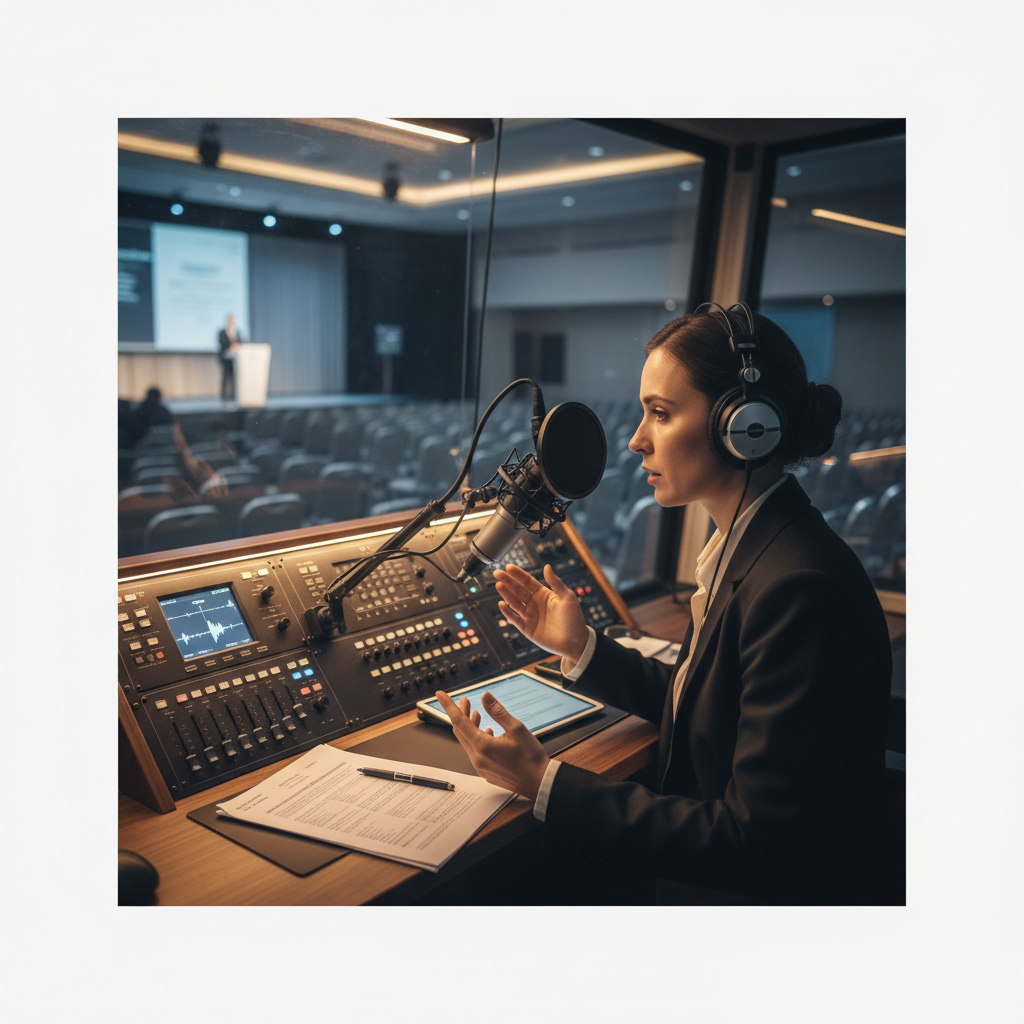
Working with Interpreter Agencies
Collaborating with reputable interpreter agencies can simplify the process of hiring skilled professionals. These agencies often have a roster of qualified interpreters and can match your event with those who have the appropriate expertise and experience.
Agencies also handle logistics, such as scheduling and payment, allowing you to focus on other aspects of your conference planning.
Maximizing the Effectiveness of ASL Interpreters
To make the most of ASL interpreters at your conference, provide them with event materials and agendas in advance. This preparation allows them to familiarize themselves with the topics and vocabulary, ensuring smoother communication during the event.

Creating an Inclusive Environment
Ensure that your conference venue is equipped to accommodate ASL interpreters. This includes providing adequate lighting, seating arrangements, and sightlines for both the interpreters and Deaf attendees. Additionally, consider offering live captioning as a complementary service to cater to diverse communication needs.
Feedback and Continuous Improvement
After the event, gather feedback from Deaf attendees and interpreters to assess the effectiveness of the services provided. Use this feedback to make improvements for future events, reinforcing your commitment to inclusivity and accessibility.
By continually refining your approach, you can set a standard for excellence in accessibility at conferences in Ohio and beyond.