
The Role of Conference ASL Interpreters in Ohio: What You Need to Know


Understanding the Importance of Conference ASL Interpreters
In Ohio, the presence of American Sign Language (ASL) interpreters at conferences is vital for ensuring accessibility and inclusivity. These professionals play a critical role in bridging communication gaps between the Deaf and hearing communities. Their expertise not only facilitates smooth communication but also enriches the conference experience for all attendees.
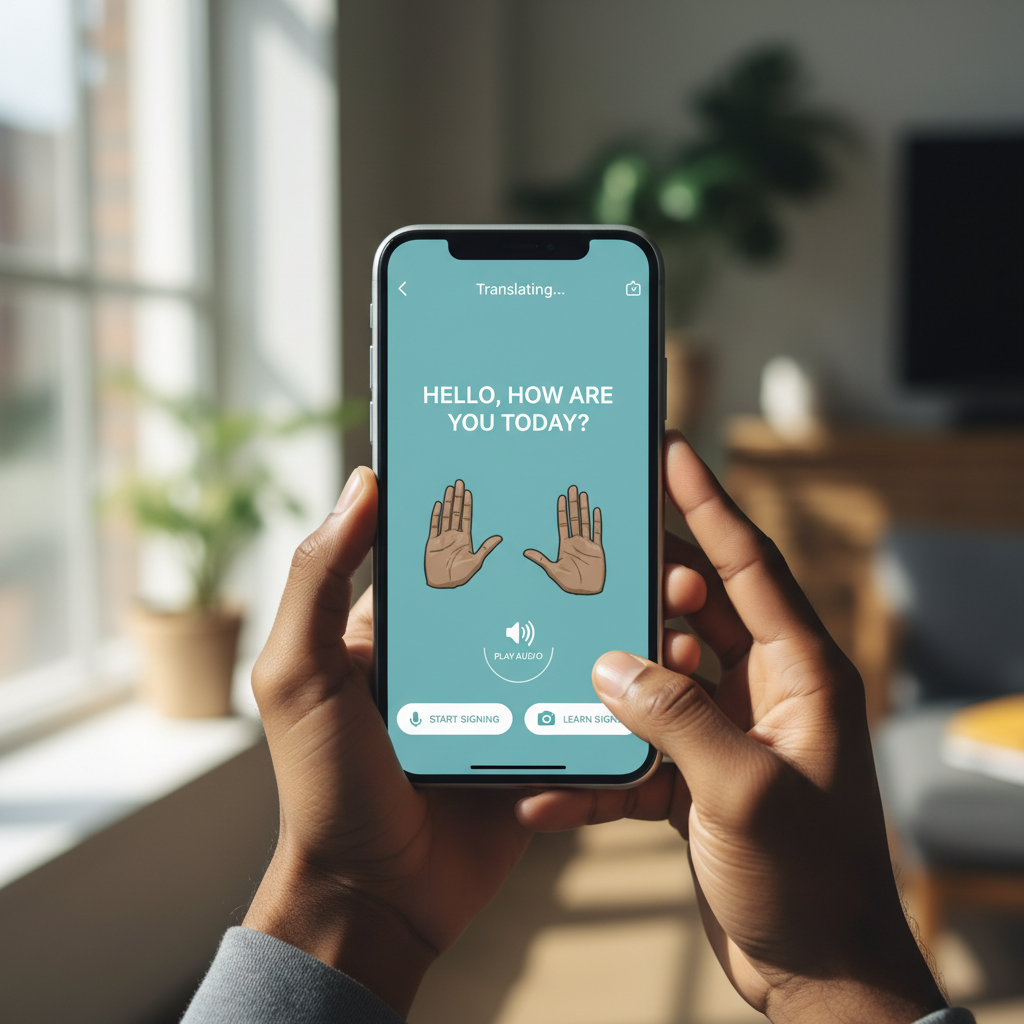
Why Conference ASL Interpreters Are Essential
ASL interpreters at conferences ensure that Deaf participants can fully engage with presentations, workshops, and discussions. This inclusivity is important for fostering diverse perspectives and enabling equal participation. By providing interpretation services, conference organizers demonstrate a commitment to accessibility and respect for all attendees.
Key Responsibilities of ASL Interpreters
The role of an ASL interpreter goes beyond simple translation. They must accurately convey the speaker's message, tone, and intent, while also capturing nuances and cultural references. This requires a deep understanding of both ASL and the subject matter being discussed at the conference.
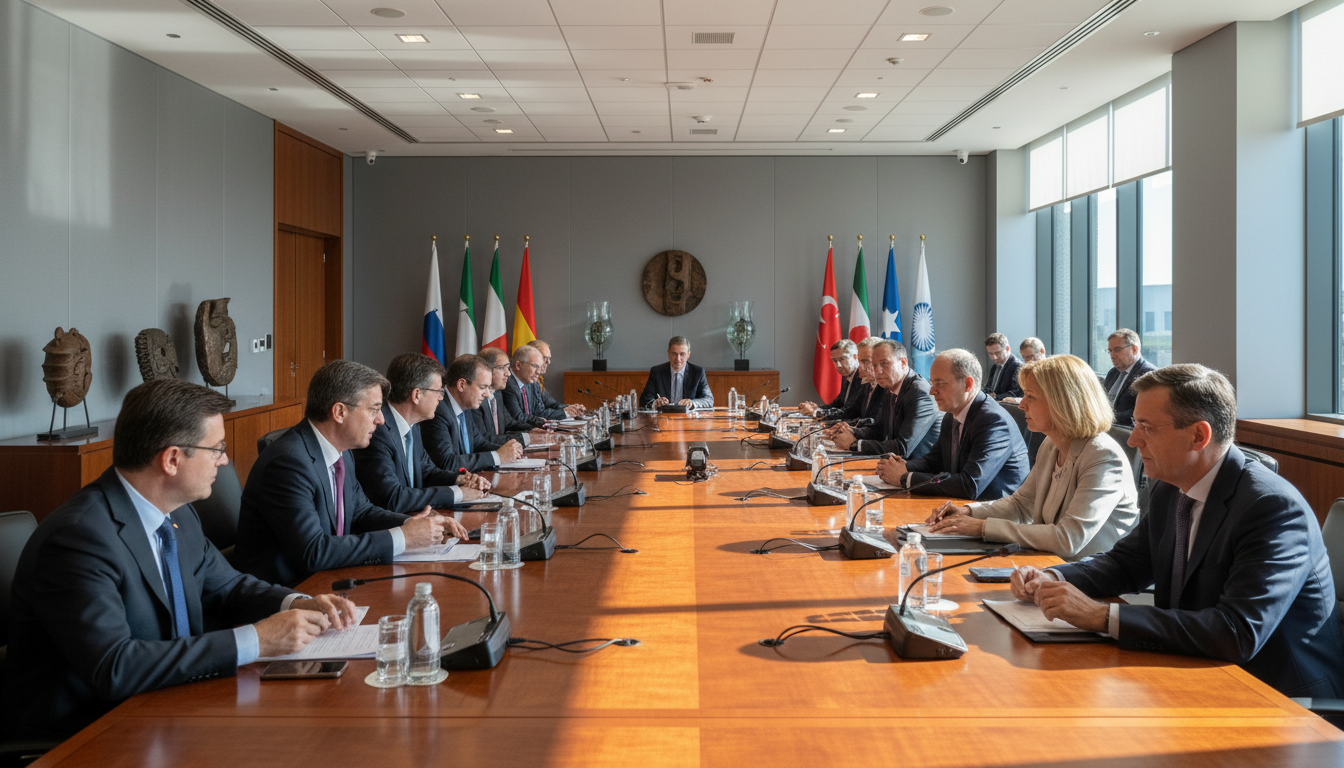
Choosing the Right ASL Interpreters for Your Event
When selecting ASL interpreters for a conference in Ohio, consider their certifications and experience. The Registry of Interpreters for the Deaf (RID) offers certifications that guarantee a certain level of proficiency. Additionally, interpreters with experience in specific fields, such as medical or technical subjects, can provide more accurate interpretations.
- Certification: Ensure interpreters are certified by recognized bodies like RID.
- Experience: Look for interpreters with relevant industry experience.
- Reputation: Seek recommendations or reviews from past clients.
Challenges Faced by Conference ASL Interpreters
ASL interpreters often face challenges such as complex jargon and fast-paced speeches. They must be adept at quickly processing information and conveying it accurately. Additionally, interpreters need to manage physical strain from continuous signing over long periods.
Enhancing Conference Accessibility
To further enhance accessibility, conference organizers should provide interpreters with presentation materials in advance. This preparation allows interpreters to familiarize themselves with the content and terminology, ensuring more precise interpretations during the event.
Furthermore, technology such as video relay services can support remote interpretation, expanding accessibility for virtual or hybrid conferences.
Conclusion: The Impact of ASL Interpreters
Conference ASL interpreters in Ohio are indispensable for promoting inclusivity and accessibility. By understanding their role and investing in quality interpretation services, conference organizers can ensure that all participants have an equitable and engaging experience.
As awareness of the importance of accessibility grows, the demand for skilled ASL interpreters will continue to rise, making it essential for event planners to prioritize these services in their planning processes.